Syndicate Wagering Clusters and Market Shifts in Football Handicaps
Lars Klein · Oct 29, 2026
Syndicate Wagering Clusters and Market Shifts in Football Handicaps
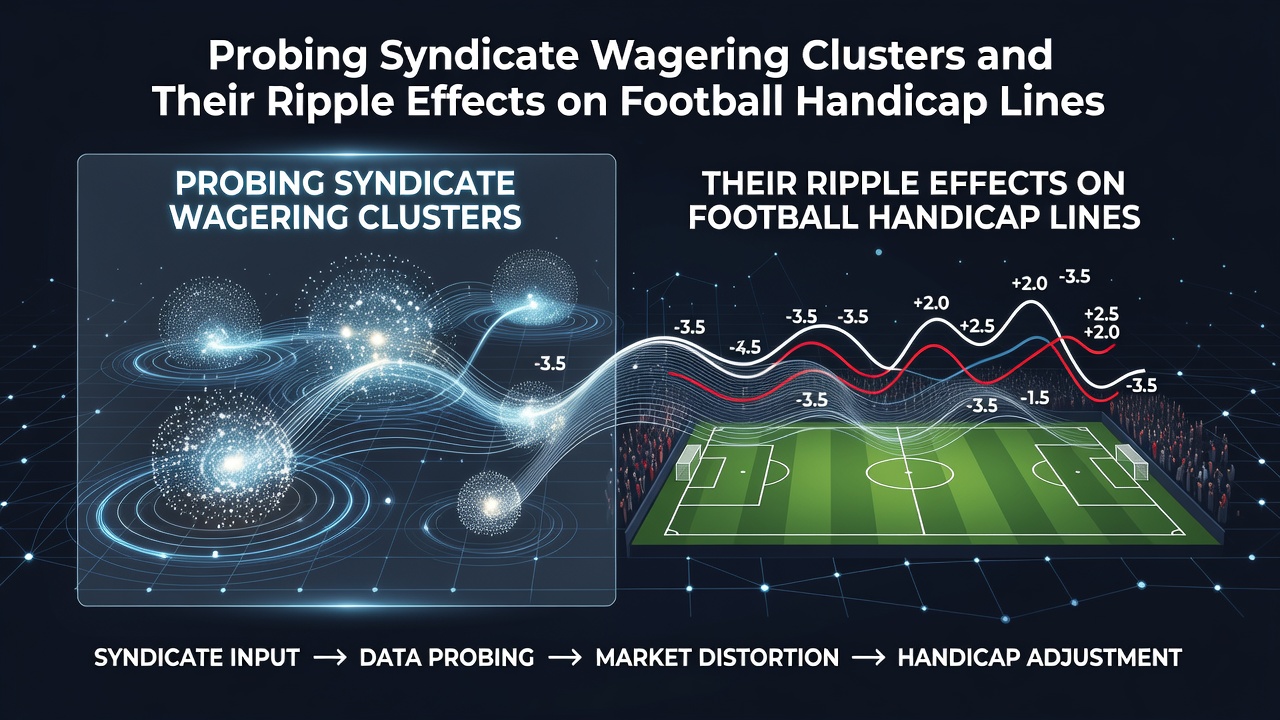
Betting syndicates operate through coordinated groups that place large wagers across multiple accounts and platforms, and these clusters often concentrate on football handicap lines where small adjustments create significant value. Observers note that such activity tends to surface first in lower-profile matches before spreading to major leagues, while bookmakers monitor incoming volumes to detect coordinated patterns that exceed typical retail or recreational betting flows.
Data from European sports wagering reports indicate that handicap markets in leagues like the Bundesliga and Serie A experience line movements of 0.25 to 0.5 goals within minutes when cluster activity exceeds average thresholds, and these shifts occur because operators adjust odds in real time to balance exposure. Researchers at institutions tracking global betting flows have documented how syndicates exploit minor discrepancies between bookmakers, creating temporary inefficiencies that ripple outward as lines realign across the market.
Mechanics of Cluster Formation
Syndicates build positions by distributing stakes through networks of agents and automated systems, and this approach reduces the chance that any single bookmaker flags the full volume early. In October 2026, tracking services reported elevated cluster activity during midweek European fixtures, where handicap lines on undercard matches moved faster than expected based on public betting percentages alone. Those monitoring the sector point out that clusters often favor Asian handicap formats because these lines allow finer granularity in half-goal increments, enabling precise positioning without drawing immediate attention.
Evidence from industry analytics platforms shows that coordinated bets frequently arrive in staggered waves, with initial probes testing liquidity before larger follow-up wagers land once lines have already ticked. This sequencing allows syndicates to lock in better prices, while the resulting adjustments propagate to retail and exchange markets within the same hour.
Ripple Effects on Line Integrity
Once a cluster establishes a position, bookmakers respond by tightening limits or shifting lines to deter further action, yet these changes create knock-on effects for other operators who must decide whether to match or hold steady. Studies of football betting data reveal that handicap lines in the English Championship and Spanish La Liga can drift by as much as 0.75 goals when multiple syndicates target the same fixture simultaneously, and such movements often occur even when underlying team news remains unchanged.

What's interesting is how these ripples extend beyond the initial match, as sharp money in one league influences pricing models for correlated fixtures the following weekend. According to findings from the University of Sydney's gambling research unit, operators that fail to account for cross-market correlations leave themselves exposed to repeated cluster attacks, whereas those integrating real-time volume alerts adjust more effectively. The result appears in tighter spreads and reduced liquidity on popular handicap options during peak cluster periods.
Detection Methods and Market Responses
Modern detection relies on algorithms that flag unusual stake distributions across accounts sharing similar IP patterns, deposit histories, or timing signatures, and these tools help operators distinguish syndicate clusters from organic sharp action. In practice, many firms now share anonymized alerts through industry networks, allowing quicker consensus on whether a line requires immediate revision. Figures from Canadian regulatory filings highlight that early identification of cluster behavior reduced exposure by an average of 18 percent in monitored football markets during the 2025-2026 season.
Yet syndicates adapt by rotating accounts and varying bet sizes, which forces continuous refinement of monitoring systems. Those studying the sector observe that exchanges sometimes serve as early warning venues because public odds there reflect aggregated syndicate interest before traditional bookmakers fully recalibrate.
Broader Implications for Football Markets
Over time, persistent cluster activity contributes to more efficient handicap pricing overall, as repeated adjustments incorporate information that would otherwise remain hidden until match day. Research published by the European Association for the Study of Gambling indicates that markets with high syndicate participation exhibit lower post-match variance between opening and closing lines, suggesting faster incorporation of relevant factors. This dynamic benefits operators who maintain robust risk models, while creating challenges for smaller platforms lacking similar infrastructure.
Coordinated wagering also influences how football clubs and leagues view betting integrity, prompting increased collaboration on data-sharing initiatives that extend beyond match-fixing concerns to encompass volume anomalies. As the 2026 season progresses, these interactions continue to shape the landscape of handicap offerings available to all participants.
Conclusion
Syndicate wagering clusters exert measurable pressure on football handicap lines through coordinated volume and strategic timing, and the resulting adjustments propagate across operators and exchanges. Data from multiple jurisdictions demonstrate that detection capabilities have improved, yet adaptive syndicate tactics ensure the process remains dynamic. Those tracking these patterns expect continued evolution in both cluster strategies and market responses throughout the remainder of the current campaign.