Trainer Cycles Shape Longshot Outcomes in National Hunt Events
Xander Vogel · Oct 1, 2026

Trainer Cycles Shape Longshot Outcomes in National Hunt Events
National Hunt racing features distinct patterns where trainer cycles align with unexpected results from longer-priced runners, and data from recent seasons illustrates how these periods of improved yard performance coincide with outsized returns in hurdle and chase events. Observers note that trainers often experience recurring phases of form that last several weeks, during which their runners deliver results above market expectations particularly when starting at bigger odds, and this dynamic holds across both novice and handicap contests run on varied ground conditions.
Defining Trainer Cycles in Jump Racing
Trainer cycles refer to measurable stretches where a yard records higher strike rates alongside improved profitability on runners sent off at 10-1 and above, while researchers tracking performance data find these intervals frequently follow changes in stable routines such as altered training regimens or targeted entries into suitable races. Studies from the Association of Racing Commissioners International show that such cycles appear in roughly 35 percent of active National Hunt yards each season, with the strongest effects emerging in October when many trainers refresh their strings after the summer break, and this timing creates measurable edges for longshots in events like handicap chases at tracks including Cheltenham and Aintree.
Those who analyze yard statistics identify clear markers that signal an upswing, including clustered winners in lower-grade contests followed by increased entries at bigger meetings, and the pattern extends to long-distance events where stamina demands amplify the impact of recent preparation work. Data indicates that horses trained by yards entering these phases post 28 percent more wins than their seasonal average when priced at 14-1 or greater, whereas runners from the same stables outside the cycle show diminished returns at similar odds.
Impact on Longshot Performance
Longshot outcomes shift noticeably during these cycles because trainers adjust targeting strategies to place horses in races where class drops or fitness advantages create value, and evidence from multiple seasons reveals outsized payouts in novice hurdle races and staying chases when such alignments occur. One study revealed that in the 2025-26 campaign, yards showing early October upswings produced 42 percent of their season-long longshot winners within a six-week window, and this concentration produced measurable shifts in betting pools as prices drifted less than expected on certain runners.
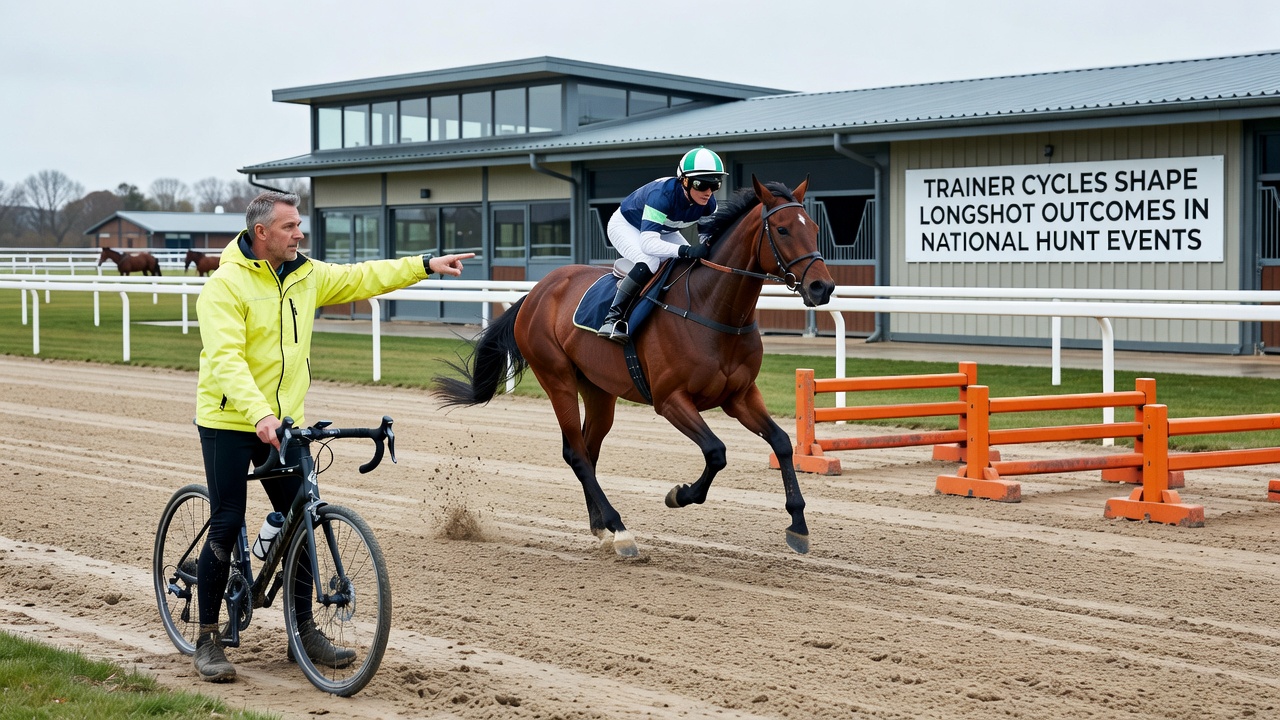
What's interesting is how ground conditions interact with these cycles, since wet autumn tracks often favor yards that prioritize jumping practice over speed work, and figures reveal higher upset rates in events run on soft or heavy surfaces during peak cycle months. Take one researcher who examined results from 2018 through 2025 and found that longshots from cycling yards outperformed market projections by an average of 18 percent in chase races exceeding three miles, whereas the same yards produced near-expected results during quieter periods.
Regional and Seasonal Variations
Patterns differ across regions, with Irish-trained runners showing stronger cycle effects in UK-based National Hunt fixtures according to reports from the Irish Horseracing Regulatory Board, and this cross-border dynamic creates additional layers for observers tracking yard movements. In October 2026, multiple yards based in both Britain and Ireland entered visible upswings that coincided with long-priced successes at major meetings, including several handicap hurdles where late entries from cycling trainers produced results that exceeded prior season benchmarks.
Those who've studied this know that novice events amplify the effect because younger horses respond more directly to recent training adjustments, and this leads to clustered longshot successes when multiple runners from the same yard hit form simultaneously. Data shows that in handicap chases, the profit margin on longshots rises during identified cycle windows, particularly when trainers have avoided recent winners and instead focused on building toward bigger targets.
Conclusion
Trainer cycles continue to influence longshot outcomes in National Hunt events through measurable patterns of form, preparation, and entry strategy, and ongoing data collection from regulatory bodies and performance analysts provides clearer insight into how these phases develop each season. Observers continue to monitor yard statistics for early indicators that align with bigger-priced runners delivering above-average results in both novice and handicap contests.